


The Great Lakes represent the largest group of freshwater lakes in the world, located on the border between Canada and the United States. This region is not only an impressive natural spectacle, but it also hosts wonders such as the Niagara River and the Great Lakes Garden, ideal destinations for those looking to combine nature, adventure, and culture. Throughout this article, you will discover its geography, history, activities, and key information to plan your visit.
What Are the Great Lakes
The Great Lakes refer to the largest group of freshwater lakes in the world, and they are also considered inland seas. They are located on the border between the United States and Canada and include Michigan, Superior, Erie, Huron, and Ontario..
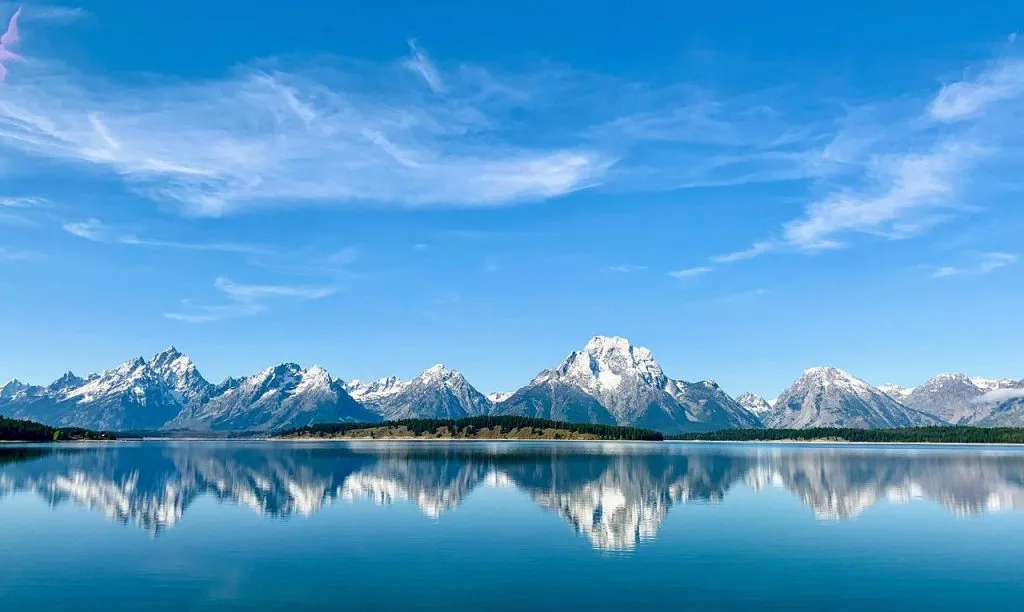
The Great Lakes are located at various altitudes; among them, Upper Lake, Huron, Michigan, Erie, and Ontario cover a vast area. Each body of water is connected through a system of straits, rivers, and canals, linking with the Mississippi and Hudson River basins, forming a natural border between the two countries.
This region covers six states, including Indiana, Michigan, Wisconsin, Kentucky, and Ohio. The area in the central-eastern United States offers stunning landscapes and untouched nature.
Lake Superior is the largest reservoir in the entire complex. Its waters are said to be very capricious; however, this does not reduce tourists’ interest in this area.
This region is also popular with water sports enthusiasts, as the more challenging conditions are an undeniable advantage for them.
Those not convinced to relax in the water, which is characterized by rather low temperatures, will find many attractions on its surface.
First, we are talking about several types of cruises, during which you can, for example, admire the beauty of the waterfront, mostly formed by rocky cliffs.
Additionally, you can choose to sail on a glass-bottomed boat, bringing the underwater fauna and flora into view.
The transparent bottom has another advantage: you can observe shipwrecks in the crystal-clear waters of the lake.
Lake Michigan is most frequently associated with photos showing the water’s edge and the city of Chicago. Around its shore are locations that are attractive in terms of recreation.
However, this is not the only thing this reservoir offers. Like its larger siblings, Michigan features extremely clean water that allows admiring sunken ships and enjoying aquatic tourism.
Erie and Ontario, the other two reservoirs, are mainly famous for the Niagara River that connects them. Starting with the first, it created one of the most recognizable attractions in the United States: the Niagara Falls, located near Ontario.
It’s worth visiting the lakes, especially for fishing enthusiasts. The largest commercial fish ponds located there can be considered a paradise for fans of this type of recreation.
Birdwatchers will also not be disappointed and will likely spend long hours on the wet shores of Lake Ontario, the natural habitat of many bird species.
As the name suggests, the Great Lakes are not a single-day attraction; there are many sights, and you could spend even a whole week exploring the area.
Numerous aquatic and land attractions are sure to satisfy the most demanding lovers of recreation and fun.
Individual Lakes
Lake Superior
- Area: 82,410 km²
- Countries: United States, Canada
- Coordinates: 47°42′N 87°30′W
- Maximum Length: 563 km
- Maximum Width: 257 km
Lake Huron
- Area: 59,596 km²
- Countries: United States, Canada
- Coordinates: 44°48′N 82°24′W
- Maximum Length: 332 km
- Maximum Width: 295 km
Lake Michigan
- Area: 57,850 km²
- Country: United States
- Coordinates: 44°01′02″N 87°03′04″W
- Maximum Length: 449 km
- Maximum Width: 193 km
Lake Erie
- Area: 25,700 km²
- Countries: Canada, United States
- Coordinates: 42°12′N 81°12′W
- Maximum Length: 388 km
- Maximum Width: 92 km
Lake Ontario
- Area: 19,470 km²
- Countries: United States, Canada
- Coordinates: 43°42′N 77°54′W
- Maximum Length: 311 km
- Maximum Width: 85 km
History of Glaciation
Glaciation is a long process in which global temperatures decrease, leading to the expansion of glaciers and continental ice sheets.
For millions of years up to the present, the Earth has undergone various changes, many of them caused by humans, affecting the natural course of the planet’s structural balance.
It is said that in the past there were four major ice ages, and the Huronian Glaciation is considered the oldest hypothetical glaciation, occurring approximately 2,700 to 2,300 million years ago at the beginning of the Proterozoic eon.
The oldest glaciation took place around 850 million years ago and ended about 630 million years ago, producing a global glaciation that ended quickly as water vapor returned to the atmosphere.
This phenomenon caused an increase in the greenhouse effect, as carbon dioxide emitted by volcanoes accumulated, since the icy seas could not absorb the gas.
Another minor glaciation occurred between 460 and 430 million years ago, known as the Andean-Saharan Glaciation, taking place in the Late Ordovician and Silurian, with periods of extensive polar ice caps between 350 and 260 million years ago.
The current glaciation is estimated to have begun about 40 million years ago, following the expansion of one of the ice sheets in Antarctica.
Origin of Niagara Falls
The origin of Niagara Falls is due to a massive Canadian glacier that moved through the eastern area, causing the glaciation of the American lakes and the Niagara River.
At the same time, it is the result of large water flows, and the erosion of rocks created the famous Niagara Falls situated between the USA and Canada.
It is believed that this glaciation began approximately 10,000 years ago, according to some geologists.
If you want to enjoy a guided tour, check out our Niagara Tour from New York.
The Great Lakes Garden (Niagara)
Located on the international border between Canada and the United States, you will find a group of lakes, generally called inland seas; they are also considered the largest groups of freshwater in the world.
The Great Lakes Garden, also known as the Great Lakes Garden at Niagara Falls, is located on the Niagara River, about 236 meters above sea level, with a drop of approximately 51 meters.
Which Lakes Are Part of the Great Lakes Garden in Niagara?
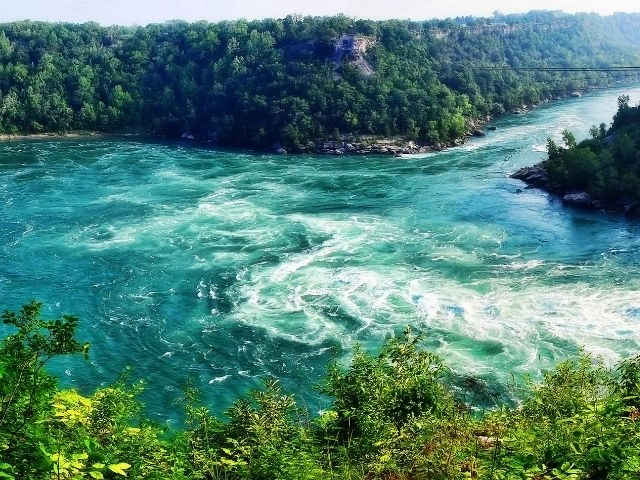
The Niagara River is in the northeastern part of North America, in Canada, also forming the border with the province of Ontario and the state of New York, USA.
Great Lakes Garden, Niagara Falls
You can find the Great Lakes Garden between Erie and Ontario, that is, Niagara and its falls, which were formed as a result of glaciers.
This garden was formed by the waters of the lakes located between the United States and Canada, receiving water from the Erie, Huron, Michigan, and Superior rivers.
Why Visit the Great Lakes Garden
As a place of extraordinary natural beauty, include the Great Lakes Garden in Niagara in your travel itinerary, preferably for a vacation, so you can enjoy it alone, as a couple, or with family.
The garden is a beautiful natural waterfall that amazes visitors with its incredible charm, becoming an unforgettable experience, both during the day, when beautiful rainbows can be seen, and at night for the lights around it.
Activities at the Great Lakes Garden Niagara
If you love fun, outdoor walks, admiring nature, or enjoying action-filled adventure, we recommend the following activities at the Great Lakes Garden in Niagara, ideal for families or romantic dates:
- Take a boat cruise to experience the waterfalls up close, including a trip behind the falls.
- Appreciate the natural panorama from above by helicopter.
- Observe the mesmerizing night lights from the shores of the falls.
- Visit the famous Clifton Hill, similar to a mini Las Vegas, with casinos and restaurants.
- For a calmer experience, visit Niagara-on-the-Lake and the Ontario wine region to sample and evaluate different wines.
Requirements to Visit the Great Lakes Garden
To visit the Great Lakes Garden (Niagara), a tourist visa or electronic travel authorization is required, depending on the country of origin.
Electronic travel authorization allows entry to Canada by air for those on the exempt list, requesting permission at the respective border.
Best Time to Visit
The recommended months are May through September, when cruise offers are at better prices.
If traveling during other months, bring appropriate winter clothing, gloves, and a hat due to the cold season.
How to Get to the Great Lakes Garden
You can reach it by air, land, or through guided tours organized by professional guides.
- By Air: Fly to Toronto Airport and then travel by land to Niagara via the Queen Elizabeth Highway, along Lake Ontario.
Additional Activities in the Great Lakes
Besides Niagara, the Great Lakes offer multiple activities:
- Cruises to admire cliffs and landscapes.
- Glass-bottom boats to observe wildlife, flora, and shipwrecks.
- Sport fishing and commercial fish ponds.
- Birdwatching along the shores of Lake Ontario.
- Aquatic tourism in lakes with clean waters like Michigan and Superior.
Exploring the Great Lakes and the Great Lakes Garden is more than just sightseeing: it is experiencing the power of nature, walking through places shaped by glaciers thousands of years ago, and enjoying activities that combine adventure and tranquility. Plan your visit, board a cruise, explore Niagara-on-the-Lake, or simply admire the beauty of the falls—every moment is bound to leave a lasting impression.